
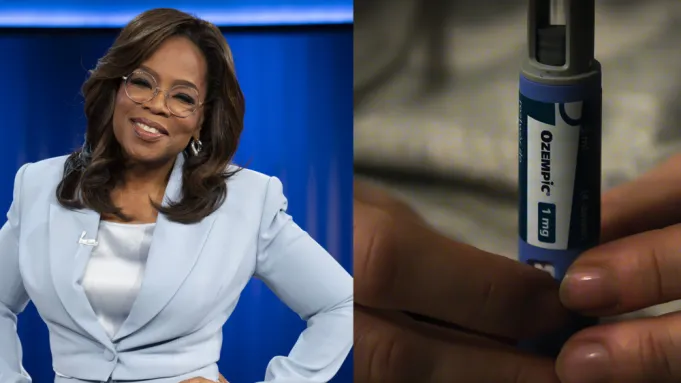
From red carpet transformations to legal blindness warnings: The complete story of how a diabetes drug rewrote the rules of celebrity weight loss—and what the medical community is only beginning to understand.
By early 2026, the "Ozempic effect" has evolved from Hollywood whisper to global phenomenon. The era of celebrity weight loss euphemisms—"just drinking more water"—is dead, replaced by a raw transparency that has both liberated and unsettled the conversation around body image. From tech moguls like Elon Musk to talk-show icons like Oprah Winfrey, the GLP-1 era has rewritten the script on celebrity transformation.
But beneath the Instagram before-and-afters and the magazine cover reveals lies a more complex medical reality. New lawsuits alleging permanent blindness, emerging research on long-term side effects, and a growing divide between those who can afford the medication and those who desperately need it reveal that Hollywood's pharmaceutical transformation comes with costs few are discussing openly.
Part 1: The Celebrity Revolution
The Architects: Oprah Winfrey and Elon Musk
The transformation of Oprah Winfrey marked a cultural turning point. After spending decades as the public face of weight struggle—yo-yo dieting, televised weigh-ins, the wagon of fat she famously pulled onto her stage in 1988—Oprah finally found what worked. In her candid interview with People magazine, she revealed she now uses a GLP-1 medication as a maintenance tool, reframing the conversation from shame to biology. "It's not about willpower," she explained. "It's about the brain's appetite regulation that makes long-term weight loss nearly impossible without medical intervention."

Credit: Getty Images
Around the same time, Elon Musk shattered any remaining stigma among the tech elite. When followers on X noticed his increasingly trim physique, his response was characteristically blunt: "Fasting. And Wegovy." That two-word admission turned pharmaceutical weight loss from Hollywood secret into acceptable "body optimization"—the same way Silicon Valley frames everything from nootropics to sleep tracking as performance enhancement rather than vanity.

Credit: Robyn Beck-Pool/Getty Images; Elon Musk/X
The Vocal Defenders: The Osbournes
The Osbourne family emerged as the drug's most outspoken advocates. Kelly Osbourne has called the medication "amazing," famously stating that critics are often just "angry that they can't afford it." Having spent her life subjected to paparazzi mockery about her weight, Kelly views GLP-1s as equalizers—medical tools that address metabolic dysfunction rather than personal failure.

Credit: Arturo Holmes/Getty; Brett Cove/Shutterstock
Her mother, Sharon Osbourne, offers a more cautionary tale. Sharon revealed she lost over 40 pounds on the medication but struggled to stop the weight loss, eventually finding herself unable to regain weight despite wanting to. She became what she described as excessively thin, acknowledging in a podcast interview that she had pushed her weight loss beyond healthy limits. The experience highlighted that the medication's appetite-suppressing effects can become difficult to reverse once stopped.

Credit: Frazer Harrison & Dave Benett/Getty
The Health-First Narratives: Kelly Clarkson and Rebel Wilson
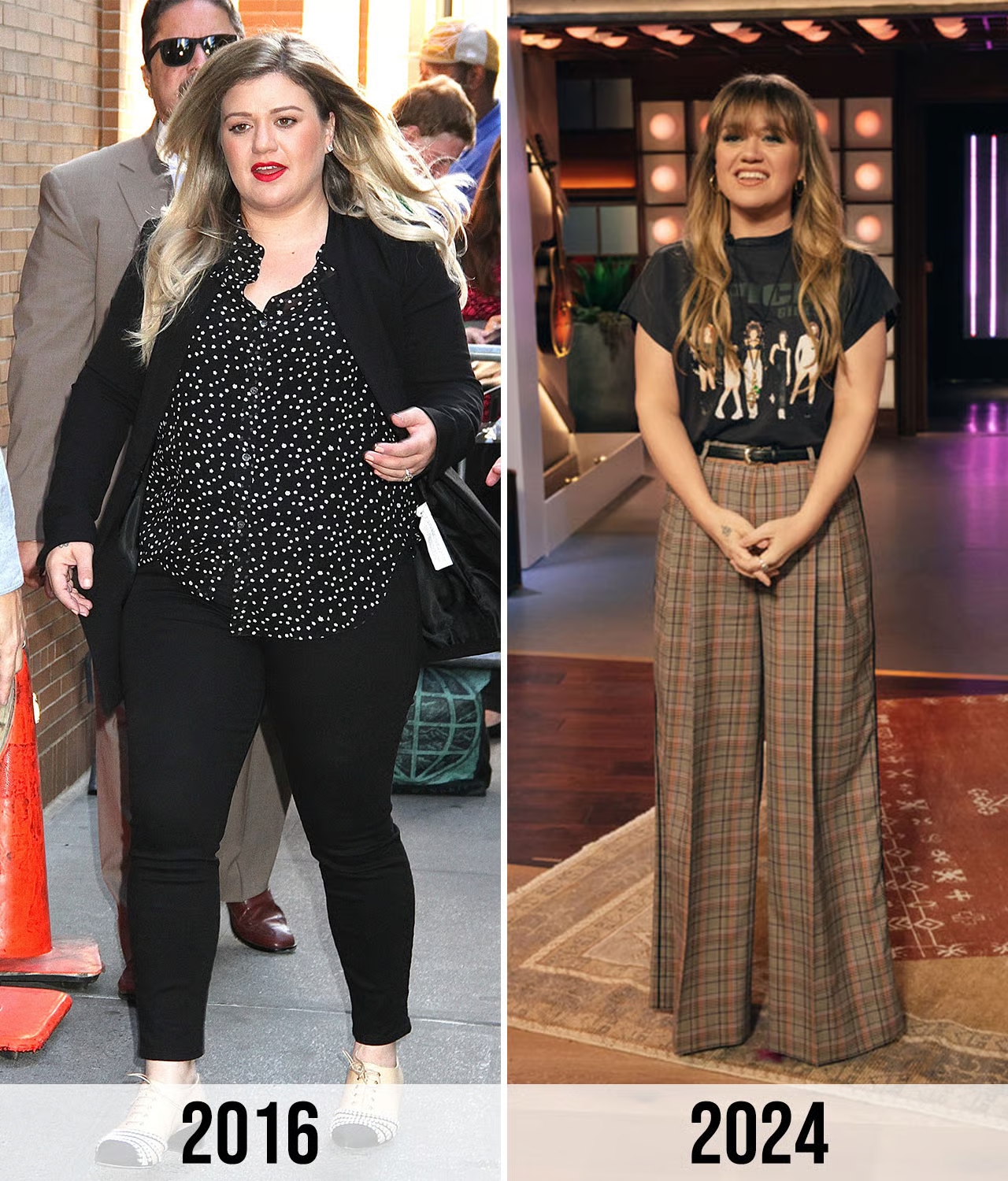
Kelly Clarkson ignited widespread support when she addressed her transformation on her talk show. She revealed her doctor recommended medication after bloodwork showed dangerously elevated sugar levels—pre-diabetes territory that put her at risk for Type 2 diabetes. For Clarkson, it wasn't about fitting into a smaller dress; it was about not wanting to end up insulin-dependent like so many in her family.
Credit: Splash News/Weiss Eubanks/NBCUniversal
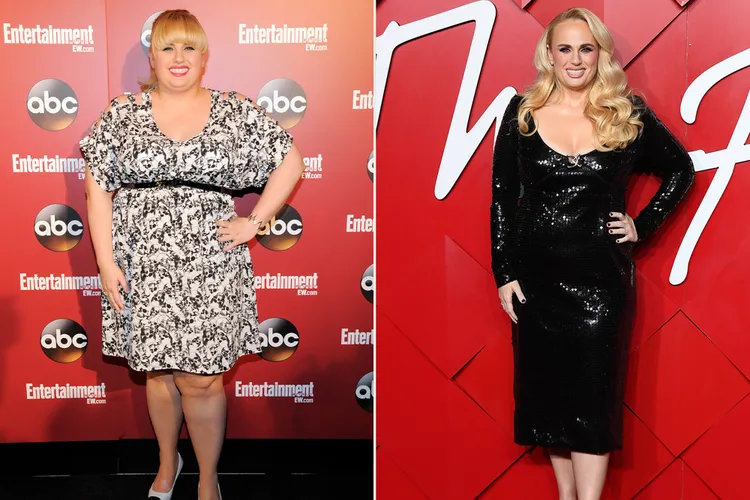
Rebel Wilson took a different path. After inspiring millions with her "Year of Health" transformation through diet and exercise, she later admitted to using Ozempic to maintain her results. She was transparent about the struggle: lifelong "food noise," emotional eating patterns established in childhood, and the metabolic adaptation that makes keeping weight off harder than losing it in the first place.
Credit: Lorenzo Bevilaqua/Disney General Entertainment Content via Getty ; Joe Maher/Getty
The Cautionary Voices: Amy Schumer and the Cost of Side Effects
Not every story ends in transformation success. Amy Schumer tried Ozempic and called it a "nightmare experience." She suffered such severe side effects—nausea, fatigue, weakness—that she was bedridden and unable to play with her young son. "It's not for everyone," she stated bluntly, becoming one of the few celebrities willing to discuss the medication's dark side publicly.

Credit: MEGA; @amyschumer/Instagram
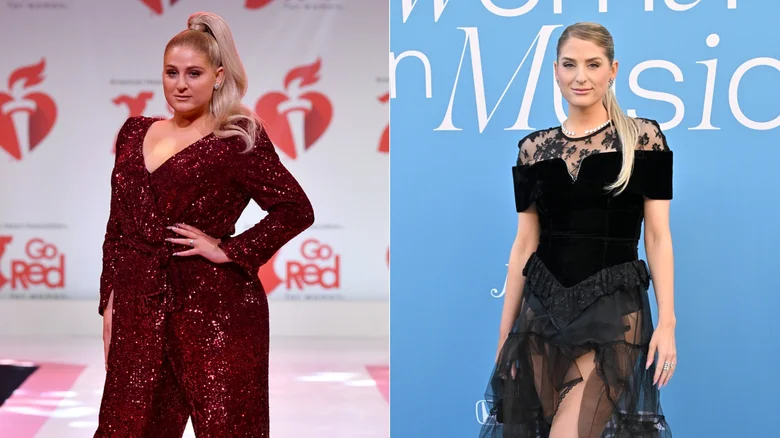
Meghan Trainor also joined the conversation in 2026, discussing her postpartum weight loss journey. After the birth of her second child, Trainor used medical assistance alongside a rigorous fitness routine, emphasizing that medication alone wasn't the solution—it was one tool among many.
Credit: Slaven Vlasic & Axelle/bauer-griffin/Getty
The Silent Transformation: Christina Aguilera
Christina Aguilera has been at the center of the most intense speculation. Her recent silhouette—dramatically slimmer, reminiscent of her "Stripped" era physique—sparked endless debate on social media. While she hasn't explicitly confirmed using GLP-1 medication, her stance in Glamour magazine made her position clear: at this stage of her life, she's developed a confidence that makes others' opinions about her appearance irrelevant.
For many observers, Aguilera's look represents the aesthetic pinnacle of what GLP-1s can achieve—a return to the early-2000s "heroin chic" thinness that many thought had been permanently rejected by modern body-positive culture.

Credit: MEGA
Part 2: What Hollywood Isn't Telling You—The Medical Reality
While celebrities share their transformation photos, medical professionals are raising alarms about what's not being discussed: the serious, sometimes permanent side effects emerging as millions of people worldwide use these drugs.
The Blindness Lawsuit That Changed Everything
In April 2025, a lawsuit filed in New Jersey sent shockwaves through both the medical community and Hollywood's weight-loss circles. Todd Engel, a 62-year-old motor equipment operator from Maryland, became a face no one wanted to see: the cautionary tale behind the miracle drug.
Engel was prescribed Ozempic in 2023 to manage his Type 2 diabetes—exactly the condition the drug was designed to treat. Four months later, he received a devastating diagnosis: nonarteritic anterior ischemic optic neuropathy (NAION), a condition where blood flow to the optic nerve suddenly stops, causing irreversible vision loss.
Engel became legally blind in both eyes.
The lawsuit alleges that Novo Nordisk, Ozempic's manufacturer, failed to warn patients about the possible association between the drug and NAION. According to his attorney Jonathan Orent, Engel expressed a heartbreaking reality: he'll never see his wife smile again, though her voice remains so familiar that he can still sense when she does.
The condition forced Engel to resign from his job as a motor equipment operator, made it impossible for him to drive, and forever changed how he interacts with family and friends. His case raises a critical question: if a patient had known about the possible link to permanent blindness, would they have chosen alternative diabetes treatments—of which there are many?
"There are a wide number of medications that can be used to treat diabetes, and treat it effectively," Orent stated. Engel's case isn't isolated—it's just the first to reach the courts.
The Emerging Science on Vision Loss
NAION typically occurs in about 10 out of every 100,000 people over age 50, according to the American Academy of Ophthalmology. It's rare enough that most doctors will see only a handful of cases in their careers. But then the Ozempic generation arrived, and the numbers started changing.
A 2024 study published alarming findings:
- People with diabetes taking semaglutide are over four times more likely to develop NAION compared to diabetics not using the medication
- People who are overweight or obese (without diabetes) taking semaglutide face over seven times higher risk of developing the condition
A February 2025 study in JAMA Ophthalmology confirmed the association with more modest but still significant elevated risk among Type 2 diabetics using Ozempic. The research was careful to note these were observational studies based on medical records analysis rather than randomized clinical trials—but the pattern was undeniable.
Novo Nordisk has firmly disputed these findings. In official statements, the company maintains that NAION is "not an adverse drug reaction" to their GLP-1 medications and that internal safety assessments found no causal relationship between semaglutide and vision loss. They point out that diabetes itself is a known risk factor for various eye conditions, making it difficult to isolate the drug's specific contribution.
Yet the FDA's Adverse Events Reporting System tells a different story: hundreds of reports from 2024 alone document eye disorders associated with Ozempic use. While the FDA cautions that these reports may contain duplicates and haven't been independently verified, the volume raises concerns.
Dr. Andrew Lee, a spokesperson for the American Academy of Ophthalmology and neuro-ophthalmologist at Houston Methodist Hospital, emphasizes the stakes: "It's a super important question to be able to answer whether Ozempic or any semaglutide causes NAION. There's just so many people on this drug."
He adds a crucial caveat for concerned patients: don't rush off the medication without medical consultation. The risk-benefit calculation isn't simple—especially for diabetic patients who genuinely need the medication to prevent life-threatening complications like stroke or heart attack.
How This "Miracle Drug" Actually Works
Understanding why Ozempic is so effective—and why stopping it triggers weight regain—requires understanding its mechanism. Semaglutide belongs to a class of medications called GLP-1 receptor agonists, originally engineered to treat Type 2 diabetes by regulating blood sugar levels. But during clinical development, researchers noticed something unexpected: patients were experiencing dramatic weight loss.
According to Dr. Marius Wasserfall, a specialist physician at Mediclinic in South Africa, the drug works by affecting hunger and satiety hormones in the brain itself. It doesn't speed up metabolism or block fat absorption—it fundamentally alters how your brain perceives food.
"These medications are not a silver bullet," Dr. Wasserfall emphasizes, "but they can help patients battling obesity make real progress when combined with healthy habits." Clinical trials demonstrated patients losing up to 15% of their body weight—figures that put semaglutide in a category beyond traditional diet pills or even surgical interventions short of bariatric surgery.
This biological mechanism explains why so many users describe the medication as transformative. It's not willpower finally working—it's a pharmaceutical override of the brain's natural hunger signals. For celebrities who've battled weight publicly for decades, this represents the difference between white-knuckling through another failed diet and genuinely not wanting to eat. That's the appeal. That's also the dependency.
Because here's what the transformation photos don't show: this is a lifelong treatment. Stop taking semaglutide, and the brain's appetite regulation reverts to its previous state. Studies consistently demonstrate that patients regain most lost weight after discontinuing the medication.
"This is a lifelong treatment," Dr. Wasserfall states plainly. "Stopping the medication will result in the majority of the weight lost being regained." Your brain biology reverts, and the weight returns—often rapidly, as Sharon Osbourne and others have discovered.
The obesity crisis this medication addresses is genuinely staggering. Predictions indicate that by 2030, half the world's population will be overweight or obese. South Africa has already reached that threshold, with over 50% of adults classified as overweight or obese. The United States follows similar trajectories.
"The challenge with obesity is complex," Dr. Wasserfall explains. "It involves not just willpower, but changes in the brain's appetite regulation and metabolic processes that make long-term weight loss difficult." Ozempic works by addressing this challenge at its biological root—which is precisely why stopping it eliminates the benefits.
Other Serious Side Effects Rarely Discussed
Beyond vision loss, medical literature documents additional serious risks that rarely make it into celebrity testimonials:
Acute pancreatitis: Inflammation of the pancreas requiring hospitalization. While relatively rare, this condition can be life-threatening and typically means permanent discontinuation of the medication.
Gallbladder problems: Rapid weight loss—whether from surgery, medication, or extreme dieting—increases the risk of gallstones. Many patients have required surgical gallbladder removal after starting GLP-1 medications.
Thyroid concerns: Studies in rodents showed increased rates of medullary thyroid cancer when exposed to semaglutide. While the relevance to humans remains under investigation, it's enough that the medication carries a black box warning about thyroid tumors.
Common but debilitating effects: The severe nausea, vomiting, and diarrhea that Amy Schumer experienced aren't outliers. These gastrointestinal side effects affect a significant percentage of users, with some finding them so intolerable they can't continue treatment despite the weight-loss benefits.
Dr. Wasserfall cautions that "while serious adverse effects are seldom seen, they can be severe when they occur." The challenge is that with millions now taking these medications—many for cosmetic rather than medical reasons—even rare side effects translate into thousands of affected individuals.
The Accessibility Crisis Nobody Wants to Discuss
As celebrities and influencers drive demand for weight-loss purposes, a quiet crisis is unfolding: diabetic patients who genuinely need Ozempic to manage their condition are facing widespread shortages. The drug's skyrocketing popularity among people seeking weight loss has created supply chain issues, leaving those with medical necessity unable to access their prescribed medication.
The cost factor is equally prohibitive. Many medical insurance plans will cover Ozempic for diabetes management but not for weight loss. The out-of-pocket cost can reach $1,000 or more per month—a reality that makes Kelly Osbourne's comment about critics being "angry they can't afford it" particularly tone-deaf to many.
This creates a stark class divide: wealthy individuals can access the medication for aesthetic purposes while middle-class diabetics struggle to afford or even find the drug they need to prevent serious health complications. It's a pharmaceutical version of "let them eat cake"—except in this case, the wealthy are using medication to avoid eating cake while those who need it to manage a chronic disease can't access it at all.
Part 3: The Cultural Reckoning
The Return of "Heroin Chic"
The Ozempic era has inadvertently triggered the return of an aesthetic many thought had been permanently retired: extreme thinness as the Hollywood ideal. Christina Aguilera's dramatic transformation, along with increasingly gaunt looks on red carpets, has sparked debate about whether the body-positive movement of the 2010s has been completely undermined by pharmaceutical intervention.
Social media is filled with commentary noting that the "thin is back" trend coincides perfectly with the widespread availability of GLP-1s. Critics argue that while celebrities frame their use as medical necessity or metabolic health, the end result is the same pressure on young women to achieve increasingly unrealistic body standards—now just medicated rather than solely diet-driven.
The aesthetic shift is unmistakable. Where 2015-2020 celebrated curves and "real bodies," 2025-2026 red carpets showcase collar bones, gap thighs, and the kind of dramatic slimness that triggers ED recovery communities to post warning threads about triggering content. The tool has changed—pills instead of cigarettes and black coffee—but the outcome looks disturbingly familiar.
Transparency Versus Responsibility
The shift toward celebrity transparency about weight-loss medication use represents genuine progress from the dishonest "I just eat clean and do yoga" narratives of the past. Oprah, Elon Musk, and others deserve credit for being honest about medical intervention.
But transparency without context creates its own problems. When celebrities with access to top medical care, private chefs, personal trainers, and unlimited financial resources present GLP-1s as simple solutions, they omit crucial realities:
- The medications cost more than many people's monthly rent
- Serious side effects affect a significant minority of users
- The drugs require lifelong use to maintain results
- Supply shortages are impacting diabetic patients who need them most
- Long-term safety data for non-diabetic users remains incomplete
Celebrity influence is powerful. When Oprah discusses using medication, appointment requests at endocrinology clinics surge. When Elon tweets about Wegovy, online pharmacies see traffic spikes. This visibility drives demand, which drives shortages, which harms the diabetic patients the drug was actually designed to help.
It's worth asking: do celebrities who promote these medications have a responsibility to discuss the downsides with equal transparency? Or is simply being honest about using them enough?
The Prevention Conversation We're Not Having
Dr. Wasserfall argues that society's focus on pharmaceutical weight-loss solutions has overshadowed the prevention conversation: "We need to prioritize preventing obesity, especially in our youth, to reduce our reliance on costly, lifelong medications like Ozempic."
The global obesity crisis is staggering. By 2030, predictions indicate half the world's population will be overweight or obese. In South Africa, that threshold has already been reached, with over 50% of adults classified as overweight or obese. The United States follows similar trends.
The pharmaceutical industry's answer is medication. But what about addressing the food environment that created the crisis? The lack of walkable communities? The normalization of ultra-processed foods marketed aggressively to children? The economic factors that make healthy eating inaccessible to lower-income populations?
These are systemic problems that require systemic solutions. Instead, we're medicating individuals—a profitable approach for pharmaceutical companies, but one that does nothing to prevent the next generation from facing the same struggles.
"You'll face either the pain of self-discipline or the pain of regret," Dr. Wasserfall concludes. "The choice is yours." But increasingly, that choice is mediated by pharmaceutical companies marketing expensive, lifelong treatments rather than society investing in prevention. The "choice" framework itself obscures the reality that for many people—those without $12,000 per year to spend on medication—there is no choice at all.
Conclusion: The Ozempic Paradox
By February 2026, the Ozempic era has become a study in contradictions:
Liberation and Limitation: Celebrities are free to acknowledge medical weight loss, yet the pressure to be thin has intensified rather than diminished.
Access and Inequality: The wealthy can afford weight-loss medication while diabetics face shortages and middle-class patients are priced out entirely.
Transparency and Manipulation: Honesty about pharmaceutical use coexists with incomplete disclosure about serious risks and long-term consequences.
Medical Breakthrough and Corporate Profit: A genuinely effective treatment for obesity becomes a billion-dollar industry built partly on vanity rather than medical necessity.
The stories of Oprah's maintenance success and Todd Engel's permanent blindness represent opposite ends of the Ozempic spectrum. Between those extremes lie millions of people navigating complex decisions about weight, health, medication, and identity in an era where pharmacy has replaced the personal trainer.
Hollywood's pharmaceutical transformation is complete. Whether that represents progress or a cautionary tale depends entirely on which story you're living—and whether you can afford to be part of it at all.